
UNDERSTAND YOUR OPTIONS. PLAN YOUR NEXT STEP.
Start with the decision you need to make
An inspection is most useful when the team knows the decision it needs to support. A facilities manager investigating a recurring leak needs a different emphasis from an owner preparing a replacement budget or reviewing a property purchase. Explain the deadline, the people who will use the findings and the questions they need answered. This helps establish the appropriate scope before the visit rather than discovering afterward that the report does not address the intended decision.
More to consider
Identify each roof area and any additions that may have different systems or installation dates. Provide existing drawings where available, but note changes made since they were prepared. Rooftop equipment, previous repairs and known interior leak locations help focus the review. If the property is occupied, include access contacts and sensitive areas. A condition assessment describes what can be established within its scope; it should not be treated as an unrestricted guarantee about every concealed layer.
Choose the tools that answer your questions
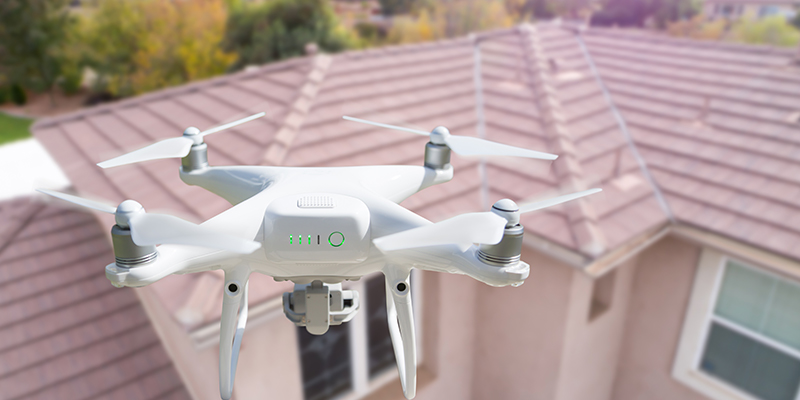
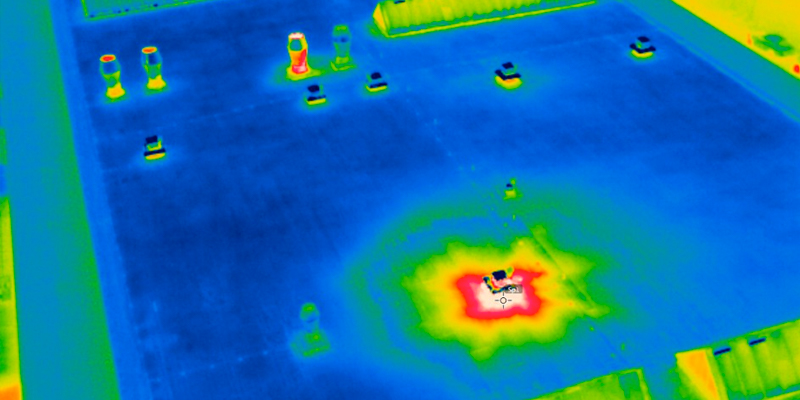
Sensenig uses hands-on evaluation with drone documentation and thermal imaging where appropriate. These approaches answer different questions. Aerial imagery can show roof layout and visible conditions across a broad area. Accessible hands-on review can examine details that an image alone cannot establish. Thermal imaging identifies temperature patterns that may be associated with moisture, but it does not directly measure water content throughout the assembly.
More to consider
Ask which methods are proposed and why they fit the roof and the question being investigated. Construction, weather and access affect what can be observed and interpreted. Suspect thermal findings may require additional verification. If sampling or other investigation is recommended, clarify authorization, repair of test locations and reporting. A useful report distinguishes observed facts, interpretations and unresolved questions so an owner does not mistake a screening result for a complete diagnosis.
Connect the findings with the roof’s history
A leak history can be as useful as a single photograph. Note when water appears, how long it continues and whether it follows a particular weather pattern or equipment activity. Interior stains may not sit directly below the entry point. Water can move through the assembly before becoming visible. Mark the location relative to rooms or equipment so the roof team can connect the interior observation with the appropriate exterior area.
More to consider
Bring earlier repair records and identify work performed by other rooftop trades. A recent equipment installation may be relevant even if the leak began later. Repeated work at one spot does not necessarily prove that spot is the only source. Ask whether the surrounding drainage, flashings or transitions need further review. The aim is to establish an appropriate next step rather than simply repeating the same repair because it is the only location in the maintenance log.
Turn the report into a useful next step
Before the visit, discuss the reporting you need: photographs, roof-area references, observed deficiencies, limitations and recommended actions. For budgeting, ask which findings support a defined repair and which require additional investigation before replacement scope can be prepared. Separate urgent concerns from maintenance items and longer-term planning. This makes the report easier to use with ownership, purchasing and the people responsible for daily building operations.
More to consider
After the review, keep the findings with the property’s warranties and service history. Record which recommendations were authorized and which remain open. An inspection report loses value if the next team cannot tell whether a photographed issue was repaired. For multiple buildings, consistent roof-area labels help compare conditions without assuming every roof should follow the same timeline. If you need a continuing record, discuss TotalSENS rather than treating each inspection as an isolated document.
Match the inspection to the decision
LET’S TALK THROUGH YOUR PROJECT
Start with what you know about your roof
You do not need to diagnose the problem or choose a system before getting in touch. These details help us understand what matters to you.
- Collect drawings, warranties, installation dates and previous reports.
- Mark interior leak locations and describe when symptoms appear.
- List rooftop equipment changes and work by other contractors.
- Explain the decision, deadline and documentation the inspection must support.
Ready to discuss your roof condition and planning priorities? Request a roof evaluation.
A few questions before you get started
Can a drone replace a hands-on inspection?
Not in every situation. Drone images are useful for access and documentation, but they do not physically test seams, materials or concealed conditions. The right combination depends on the roof and the question being investigated.
Does thermal imaging prove insulation is wet?
Thermal imaging shows temperature differences, not moisture content directly. Roof construction and weather affect the results. Suspect areas may need confirmation using appropriate additional investigation.
Should we inspect before buying or leasing a building?
A roof review can help inform due diligence. Explain the transaction timeline and documentation needs, and clarify the scope and limitations. Do not assume a condition inspection includes structural engineering or a warranty of future performance.
What information helps investigate a recurring leak?
Provide dates, interior locations, photographs taken safely, weather patterns and previous repair records. Mention recent rooftop equipment work and any warranty documents you have.
What happens after the inspection?
Discuss the findings and the next decision: targeted repairs, more investigation, maintenance or replacement planning. If you need a continuing record across roof areas, ask how TotalSENS can support that process.
Can an inspection predict the exact year a roof will fail?
No. Condition findings support planning, but future performance depends on exposure, maintenance and changes in the building. Ask for the reasoning behind a recommendation and the assumptions in any forecast rather than treating an estimated timeline as a guarantee.
Does every inspection include core sampling?
Not automatically. The scope depends on the roof and the question being investigated. Ask whether additional investigation is recommended, what authorization is needed and how test locations will be restored. Sampling should be a defined part of the work.
Can we use photographs from our maintenance staff?
Yes, safely obtained images can help explain a concern and its history. Include dates and locations where possible. Do not ask staff to enter an unsafe roof area to improve the documentation; access and investigation should be planned appropriately.
If your next step involves another service
Looking for guidance closer to home? Find your community.