
UNDERSTAND YOUR OPTIONS. PLAN YOUR NEXT STEP.
Tell us what the component needs to do
A custom fabrication project begins where a standard purchased component stops fitting the application. The part may need to match existing equipment, work within a restricted space or perform in a particular operating environment. Richard L. Sensenig Co. designs and fabricates custom steel, stainless steel and aluminum products. Bring the function of the component into the discussion before narrowing the work to a drawing, material name or preferred welding process.
More to consider
Material selection should account for exposure, cleaning, temperature, contact with other materials and the finished appearance. Steel, stainless steel and aluminum are not interchangeable simply because each can be formed into the same shape. Specify the required grade where the design establishes one, and explain any uncertainty rather than inviting an unreviewed substitution. A useful inquiry identifies the conditions the fabrication must withstand and the documentation needed to confirm the completed scope.
Turn field dimensions into a coordinated drawing
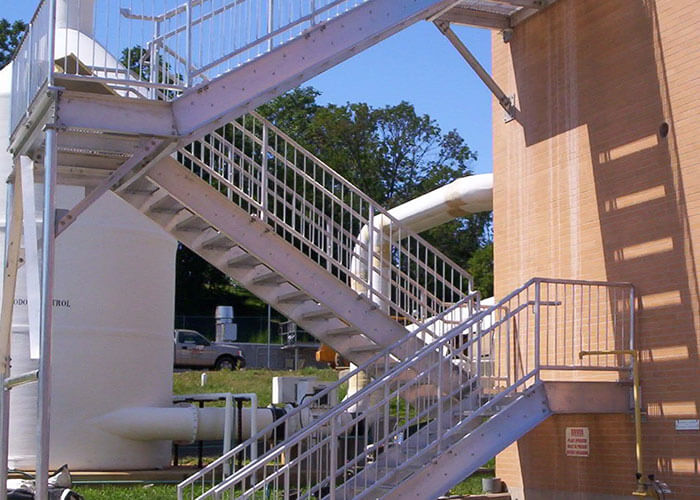
Existing equipment and structures rarely become easier to fit because a drawing looks tidy. Identify the dimensions that control installation: bolt patterns, connection faces, openings, service clearances and surrounding obstructions. Clarify who verifies field conditions and which drawing revision governs the work. A photograph can show context, but it does not establish dimensions or material thickness. Where drawings and measurements disagree, resolve the difference before fabrication is released.
More to consider
Separate design responsibility from manufacturing responsibility. Some inquiries arrive with approved construction documents; others begin as a sketch of a maintenance problem. Explain what is available and ask what additional information is needed. Do not assume that a fabrication price includes structural engineering, regulatory review or every approval associated with the installation. Defining those boundaries early gives the team a clearer basis for the quote and reduces the risk of remaking a part that was accurately fabricated to incomplete information.
Connect the fabrication steps into one scope
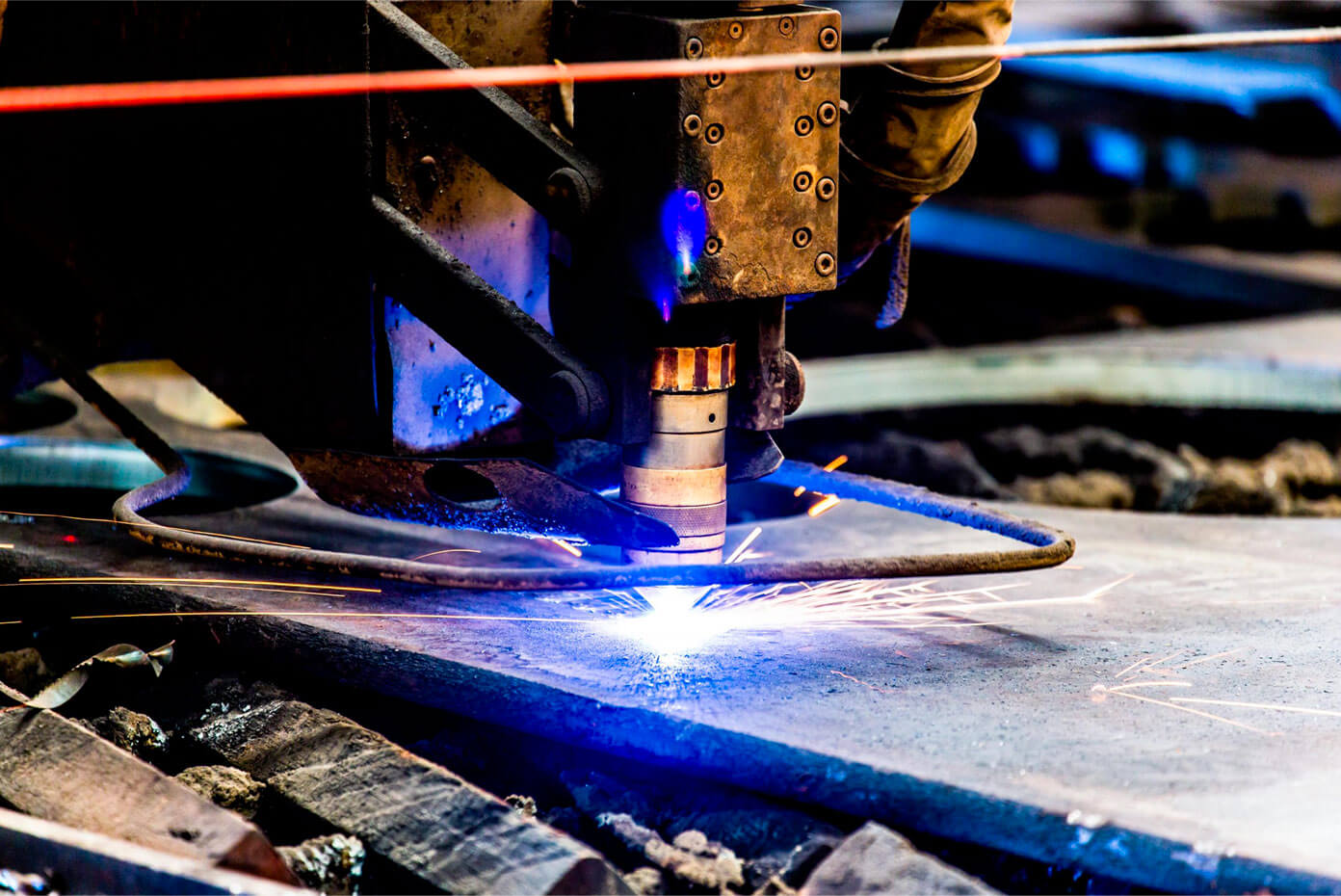
Sensenig’s custom fabrication capabilities include MIG, TIG, brazing and stick welding, with broader Metals division capabilities in cutting, bending, assembly and installation. The appropriate combination depends on the material, joint, application and specified requirements. Purchasing a cut blank is different from purchasing a formed and welded assembly. State which operations need to be included so the proposal reflects the item you expect to receive.
More to consider
For assemblies, identify mating parts and any fit-up or inspection requirements. Critical dimensions can change through a sequence of cutting, forming and joining, so the finished acceptance requirements should be clear from the start. If a particular welding code, procedure or inspection record is required, include it in the inquiry and confirm capability for that project. Do not infer a certification or inspection scope from a general list of welding methods. The written project requirements should establish the applicable standard.
Plan how the finished work will fit on site
Describe the condition in which the work should leave the shop. Raw material, a fabricated assembly, a painted item and an installed component are different deliverables. Finishing can affect dimensions, masking and connection surfaces, so it should be considered before fabrication rather than added after every detail is fixed. Explain the operating environment and any appearance requirements. Confirm which surface preparation, coating or other finish is actually included in the proposal.
More to consider
Delivery and installation introduce another set of practical questions. Identify door sizes, lifting restrictions, access hours and shutdown windows. A large assembly may need a sequence that differs from a collection of loose parts. Discuss who unloads, positions, connects and approves the work. Keep required field measurements and approvals ahead of the release date. A target installation date is most useful when it comes with the information and access needed to plan toward it.
Compare quotes on the same requirements
Put competing proposals against the same controlling drawing and list of deliverables. Check the material grade, quantity, finish, tolerances and included secondary operations. One price may cover only shop work while another includes field measurement or installation. A lower number is difficult to evaluate until those differences are visible. Ask how changes after approval will be reviewed and which assumptions could affect the quoted scope.
More to consider
For repeat parts, establish how the approved revision and part identification will be retained. The next order should not depend on someone recognizing an old photograph. Record whether the new quantity is identical or includes a design change, and identify the current revision in every inquiry. This small purchasing discipline helps avoid confusion between a replacement, a prototype and a revised production component. It also gives the shop a clearer basis for discussing timing and repeatability.
Define the fabrication deliverable before comparing prices
LET’S TALK THROUGH YOUR PROJECT
Bring the application. We can work through the details together.
Share the information you have, and point out what still needs to be decided. A clear brief helps connect the quotation to the finished work you need.
- Provide the application, operating environment and material specification.
- Identify the controlling drawing revision and critical fit dimensions.
- State quantity, finish, secondary operations and documentation needs.
- Explain delivery access, installation scope and any shutdown constraints.
A few questions before you get started
Can I start without a finished drawing?
Yes, start by describing the application and the information available. The team can discuss what is needed next. Design responsibilities, verified dimensions and approval requirements still need to be established before fabrication.
Which metals and joining methods are available?
The published custom fabrication service includes steel, stainless steel and aluminum, with MIG, TIG, brazing and stick welding capabilities. Confirm the material specification and joining requirements for your application.
Can you reproduce an existing component?
Bring drawings, photographs and available dimensions, and discuss whether the existing part is an accurate reference. Worn or distorted components may not represent the intended geometry; critical interfaces need verification.
Does the scope include painting or installation?
The Metals division lists finishing, assembly and installation capabilities. Confirm exactly which operations are included, who handles site connections and what condition the finished component will be delivered in.
What makes two fabrication quotes comparable?
Use the same drawing revision, material grade, quantity, tolerances, finishing requirements and delivery scope. Clarify engineering, inspection and installation responsibilities so a lower price is not simply a smaller scope.
What makes two fabrication quotes difficult to compare?
Different assumptions about material grade, finish, tolerances, field measurements or installation can produce very different prices. Compare both proposals against the same drawing revision and deliverable list. Ask each team to identify exclusions rather than assuming the lower price includes every operation.
Can a photograph replace a fabrication drawing?
A photograph helps explain the application but does not establish dimensions, material or acceptance requirements. Share it with measurements and any available drawings. Ask what additional information or verification is needed before expecting a manufacturing-ready scope.
What should we keep for repeat orders?
Retain the approved drawing revision, material specification, part identification and finished requirements. State clearly whether a repeat order is unchanged or revised. That record is more reliable than referring to a previous part by appearance or approximate installation date.