
UNDERSTAND YOUR OPTIONS. PLAN YOUR NEXT STEP.
Start with the part or assembly you need
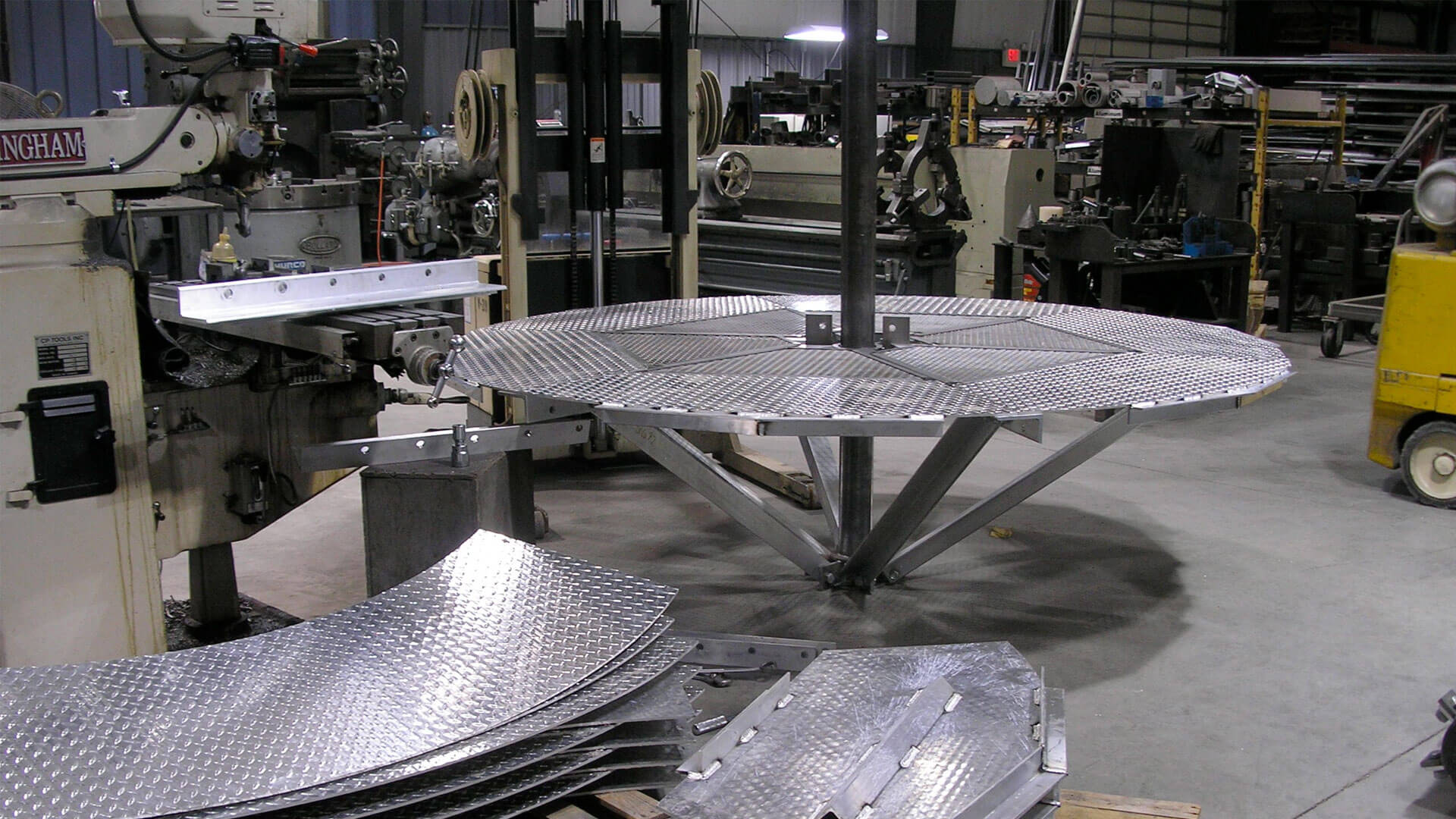
Industrial metalwork starts with the application: what the component must do, where it will operate and how it connects to the surrounding equipment. Richard L. Sensenig Co.’s Industrial Metals division brings custom fabrication, structural and miscellaneous metalwork, dust collection and high-definition plasma cutting into a connected capabilities conversation. A buyer can begin with a defined drawing or an operating problem, but the information needed for production must be established before the work is released.
More to consider
The division’s published applications include construction, wastewater, agriculture, food services, environmental work and material handling. These settings have different requirements for material, exposure and upkeep. Explain the process rather than selecting a material only by familiarity. A steel, stainless steel or aluminum component may share the same outline while requiring different fabrication and finishing decisions. The operating environment and project specifications should guide the proposed combination of processes.
Connect cutting, forming and welding
A cut part is often the beginning of a larger assembly. Sensenig’s capabilities include cutting, bending, sawing, welding and assembly, with MIG, TIG, brazing and stick welding listed for custom work. State the finished deliverable when requesting a quote. If a part must be formed, joined, finished or installed, those operations should be visible in the inquiry rather than assumed to be included in a price for cutting.
More to consider
Critical dimensions and acceptance requirements need to account for the completed component. Connections, hole locations and mating surfaces may require closer review than an overall outline. Where a welding standard, procedure or inspection record is required, supply the specification and confirm the project-specific scope. A general capability list is not a substitute for checking the applicable requirements. Clear information helps the shop evaluate whether the work fits its processes and what additional coordination is needed.
Bring the structural requirements into the plan
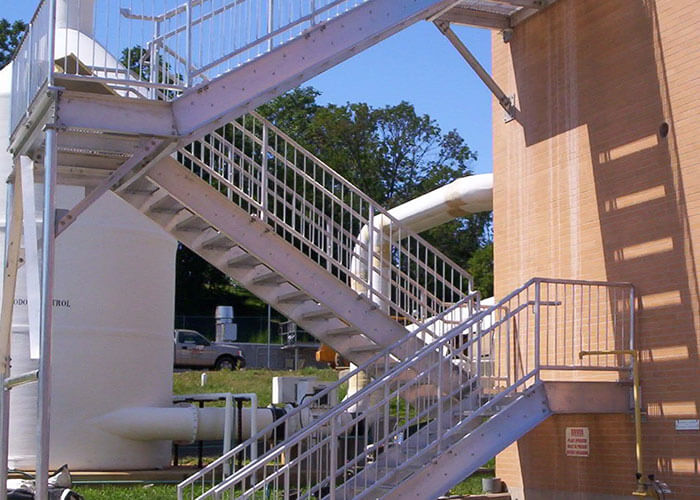
Structural and miscellaneous metalwork connects the drawing to the conditions at the site. Sensenig’s published work includes stairs, mezzanines, guards, handrails, rooftop equipment screens and retrofits. Each assembly must be reviewed for its intended use, interfaces and installation needs. The design team’s requirements, current drawings and field conditions should agree before fabrication is authorized. An old building drawing may not reflect later equipment changes or altered floor elevations.
More to consider
Clarify who provides engineering, connection details, field measurements and approvals. Those responsibilities are not automatically included simply because a shop fabricates the steel. Finish selection also needs to happen early: painted, powder-coated and galvanized steel can involve different preparation and detailing. For an occupied facility, identify lifting restrictions and temporary access changes. A coordinated proposal makes the boundaries between fabrication, finishing and field installation understandable to purchasing and the site team.
For dust collection, begin with the process
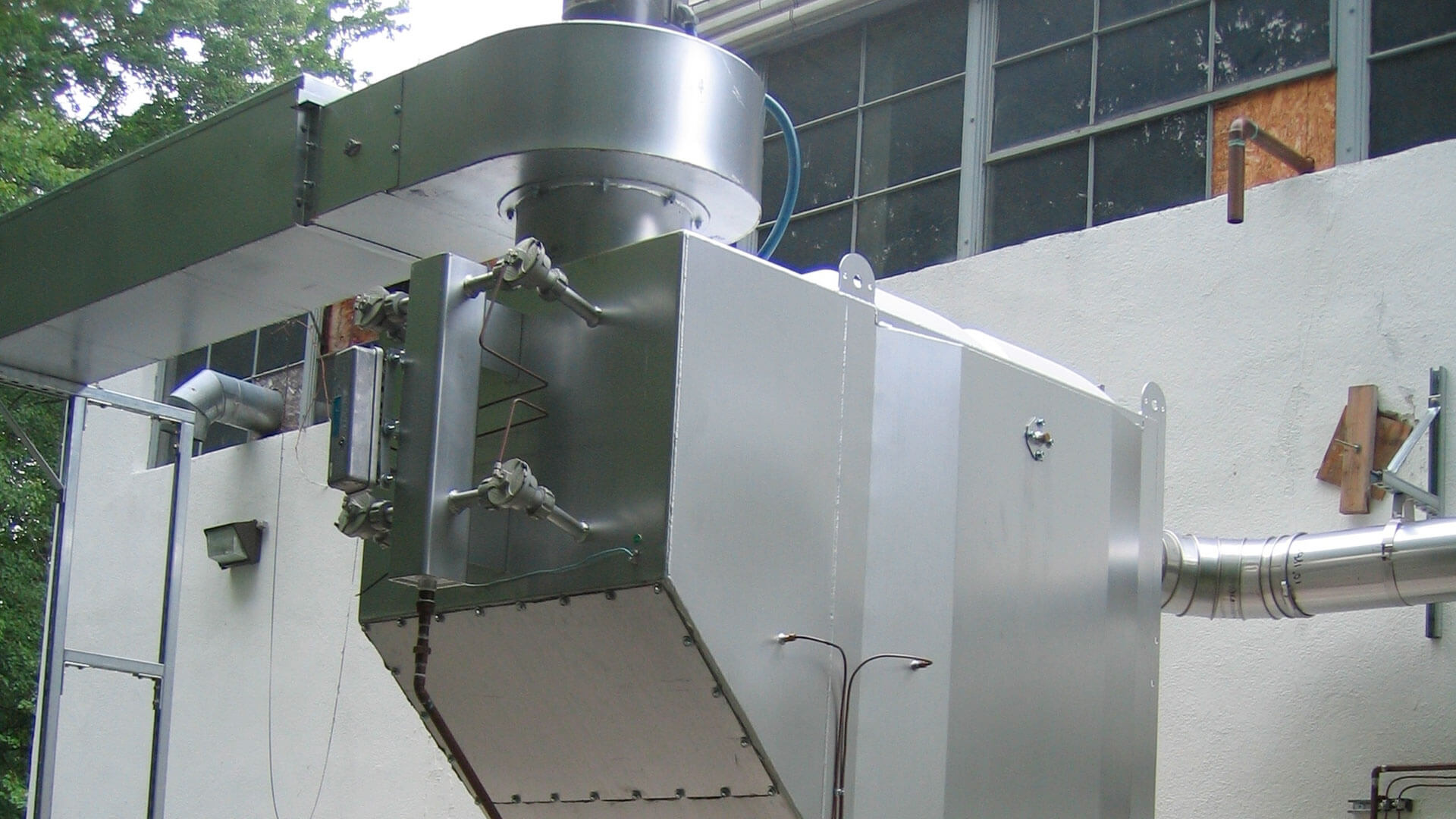
Dust collection equipment must be considered within the connected process. Sensenig fabricates and installs steel and stainless steel cyclone collectors, baghouses and media filtering systems. Provide the material being handled, equipment layout and available design information. Capture points, duct connections, maintenance access and material removal all influence the scope. Physical fit is important, but it does not by itself establish system performance or suitability.
More to consider
Some fine dusts can create fire or explosion hazards. The project must identify who is responsible for material evaluation, system design and required protective measures. Do not treat a collector material or fabrication method as proof that the installation is suitable for every dust. For modifications, review the effect of new machines or changed production with the responsible professionals. A defined engineering and safety basis allows fabrication and installation to support the intended system rather than make assumptions about it.
For cut parts, start with the drawing
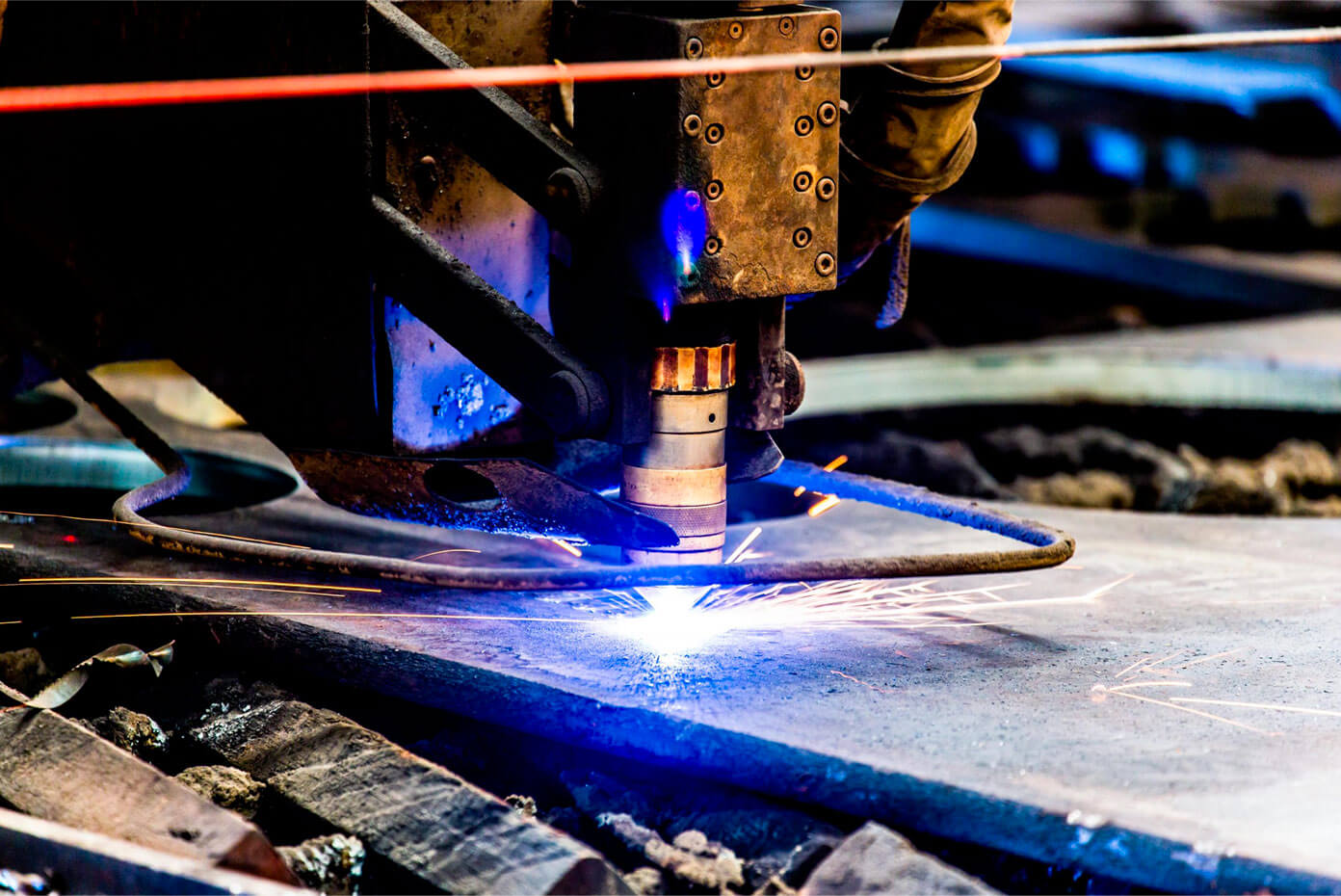
Sensenig lists high-definition plasma cutting for steel, stainless steel and aluminum up to 1 1/4 inch thick. Provide the material grade, thickness, quantity and controlling drawing revision. Mark critical features and explain what the part does after cutting. A published thickness capability is not a blanket promise about every hole, edge or finished tolerance. The geometry and application need review before the process is accepted for the work.
More to consider
Discuss secondary operations where needed. Deburring, drilling, machining, forming or welding can change the deliverable from a cut blank into a finished component. If another supplier performs the next operation, explain its requirements so the handoff is clear. For repeat orders, retain approved files and part identification. A consistent revision record helps distinguish an unchanged replacement from a new design and reduces confusion when purchasing and engineering are handled by different people.
Bring the details that make a useful quote
Build the inquiry around a small set of controlling facts: application, drawing revision, material, quantity, critical dimensions, finish and installation scope. Add the requested timing and explain what drives it. A shutdown date, customer delivery or equipment launch can influence the sequence, but the date alone does not establish readiness. Identify which approvals and field measurements must happen before work can begin.
More to consider
Compare quotes against the same deliverable. Ask whether the price covers shop work only, delivery, unloading or installed completion. Clarify inspection documentation and the treatment of changes after release. At handoff, keep the approved drawings and material information with the equipment or building records. The next repair or repeat order is easier when the team can identify exactly what was supplied. Start with the Metals team in Ephrata to discuss the scope and confirm project fit. If several departments are involved, name one person to consolidate revisions and approvals. Purchasing may control the order while engineering controls the drawing and operations controls site access. Giving each decision a clear owner prevents a production release from being based on an informal conversation that the rest of the project team has not reviewed.
Connect the application to the right Metals capability
LET’S TALK THROUGH YOUR PROJECT
Bring the application. We can work through the details together.
Share the information you have, and point out what still needs to be decided. A clear brief helps connect the quotation to the finished work you need.
- Describe the function, operating environment and surrounding equipment.
- Provide the current drawings and state material, quantity and critical tolerances.
- Identify finishing, installation and documentation requirements.
- Clarify design responsibilities, site access and requested timing.
A few questions before you get started
Can I start with a problem rather than a finished drawing?
Yes. Describe the application and share what information you have. The team can discuss what is needed to define the scope. A preliminary conversation is different from a manufacturing-ready release, so confirm the drawings and approvals required before production.
Which materials are listed for custom fabrication?
Sensenig lists custom steel, stainless steel and aluminum fabrication. Suitability depends on the project’s material grade, exposure and process requirements. Include those details rather than assuming every material option fits every application.
Does the division offer installation?
Installation is among the published capabilities, including structural metalwork and dust collection. Confirm whether it is included and appropriate for your project. Delivery, unloading, lifting, connections and startup may have separate responsibilities that need to be assigned.
What determines a fabrication lead time?
Drawing readiness, material requirements, quantity, secondary operations, approvals and current scheduling all affect timing. Share the date and its operational purpose, then confirm the reviewed scope and schedule with the team. Do not treat a general capability page as a turnaround guarantee.
Are engineering services automatically part of a quote?
No. Identify who provides the design, connections and required approvals. Some requests arrive with completed engineering; others need further definition. A fabrication quote should make those responsibilities explicit rather than leaving them to assumption.
Can you quote repeat parts from an old order?
Provide the approved drawing revision and identify any changes to material, quantity or requirements. Keep part names and file versions consistent. The team still needs to confirm the current scope and timing rather than relying solely on a remembered earlier job.
How should we compare two Metals proposals?
Use the same drawing revision and compare material, tolerances, finish, secondary work, documentation and installation. Check exclusions and assumptions. A price for a cut blank cannot be compared directly with a price for a finished installed assembly.
Where should an industrial project inquiry begin?
Contact the Ephrata team at (717) 733-0364 with the application, property or delivery location and available drawings. Confirm project fit and any site-work requirements directly. Regional roofing coverage does not by itself establish the delivery or installation scope for every industrial project.