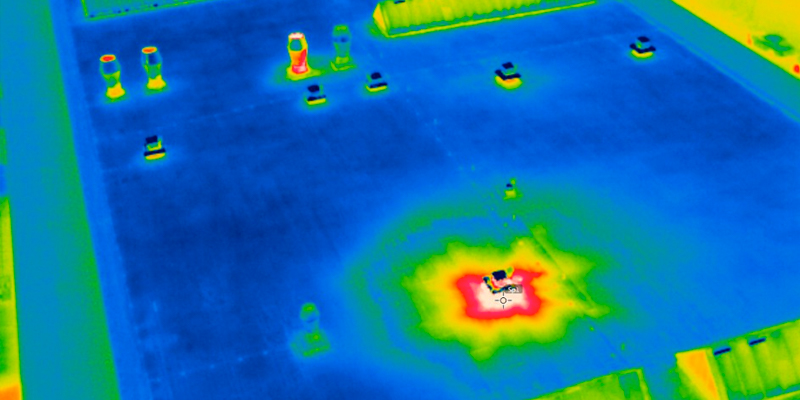
Address a problem
Start with the condition of the roof, not a product.

Commercial roofing · Central Pennsylvania
A leak today, a maintenance plan or a future replacement. Start with your building’s needs, then explore the right service.
YOUR ROOF, THROUGH EVERY STAGE
Find the service that fits today’s need, with a plan for what comes next.
Start with the condition of the roof, not a product.
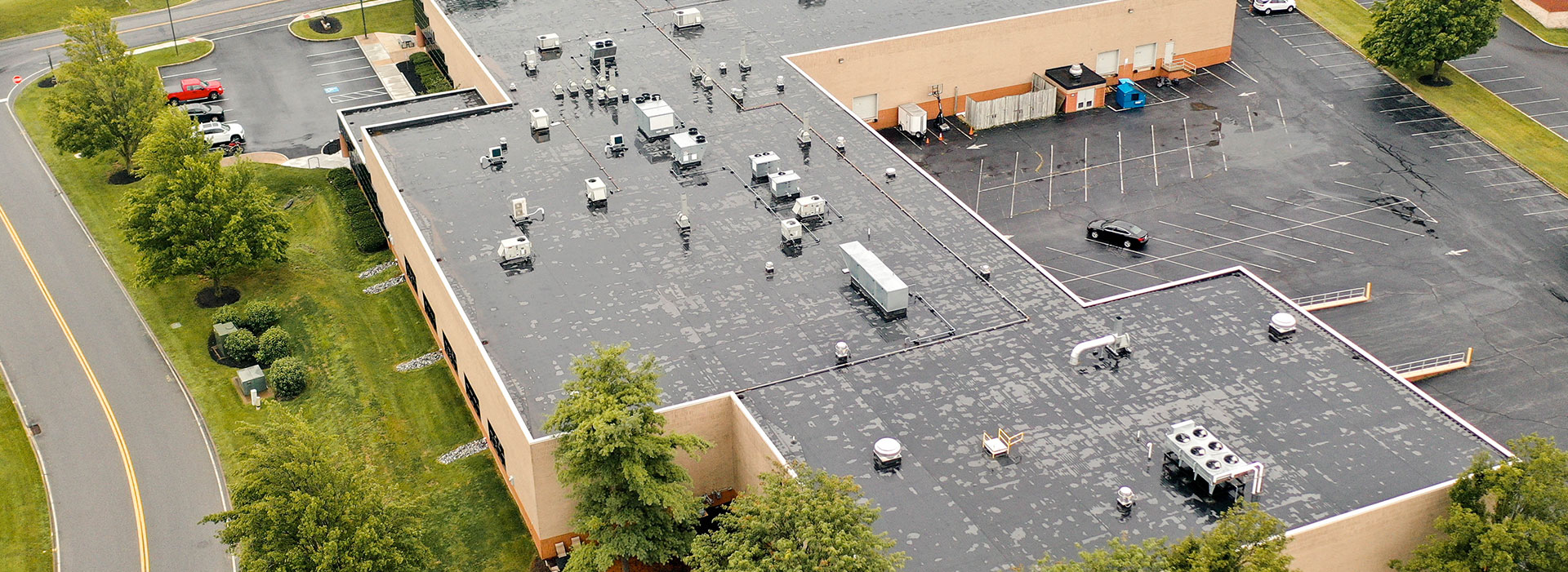
Compare options around your building, its use and existing structure.
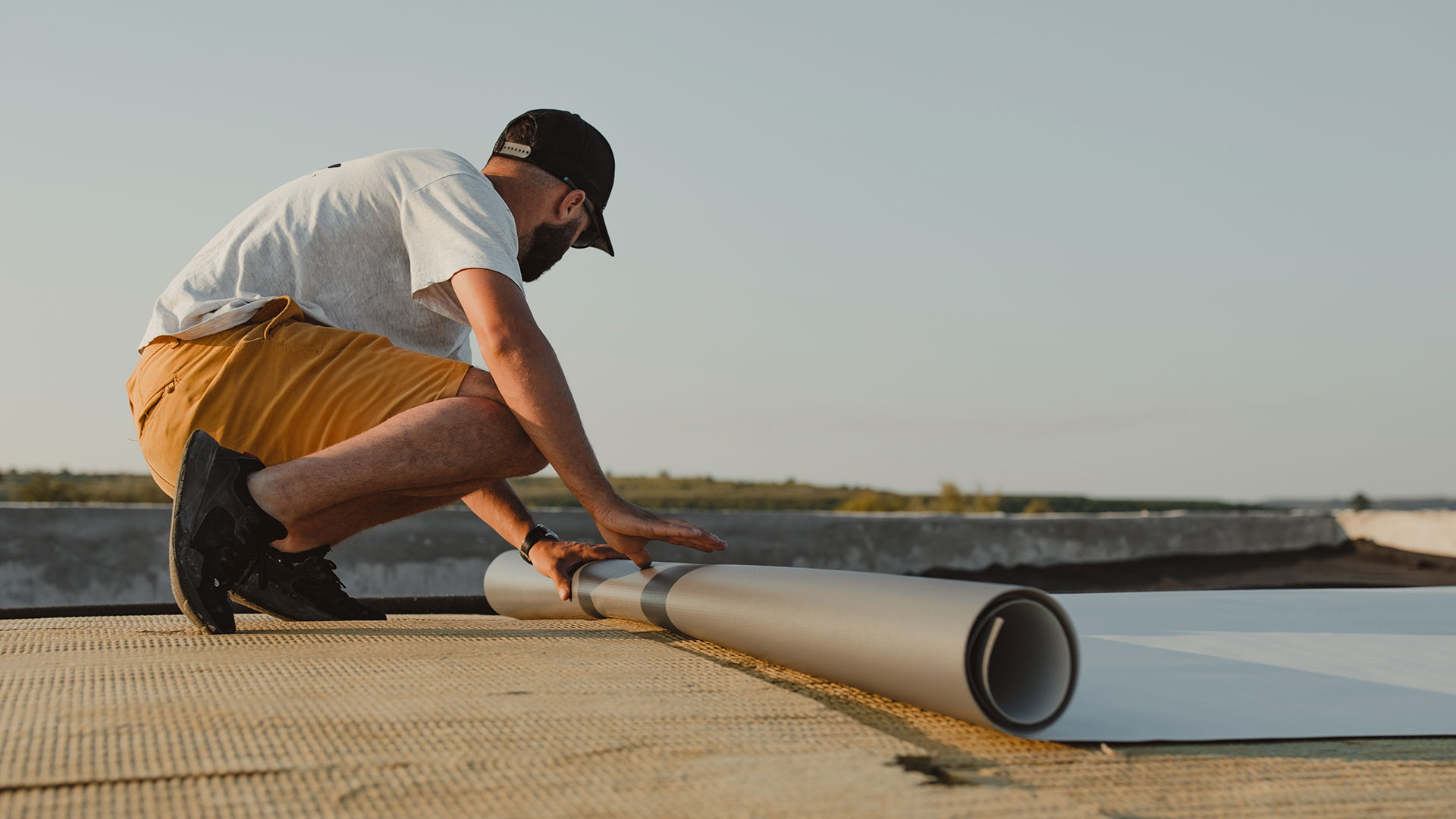
Evaluate improvements in the context of your existing roof.
UNDERSTAND YOUR OPTIONS. PLAN YOUR NEXT STEP.
Choosing a commercial roofing service is easier when you begin with the decision in front of you. An active leak needs an urgent conversation. A roof that is aging but still serviceable may need an inspection and a maintenance plan. A new building or a roof with widespread deterioration requires a broader assembly discussion. Richard L. Sensenig Co., based in Ephrata since 1958, offers connected roofing services so that the next step can reflect the property rather than a single product.
An inspection can help establish visible condition, investigate symptoms and identify questions that need further review. Share roof drawings, installation dates, warranties and earlier repair records where available. Explain whether the findings are intended for maintenance authorization, a capital budget or property due diligence. The purpose affects the scope and reporting needed. Hands-on observation, drone documentation and thermal imaging each contribute different information; none should be treated as an automatic guarantee about every concealed part of the roof.
For water entering a building, call (717) 733-0364 rather than waiting on a general inquiry. Sensenig offers 24-hour emergency roof repair. Describe the address, affected area and operational impact from a safe location. Availability, weather and access affect the response, so the service offering is not an arrival-time promise. If water creates immediate danger around electrical equipment, ceilings or structure, follow your emergency procedures and contact appropriate responders before attempting to investigate.
Once immediate concerns are addressed, separate temporary stabilization from permanent repair and follow-up investigation. A recurring symptom deserves a record of what has been tried and what remains unresolved. Planned care helps keep those decisions connected. TotalSENS combines roof observations, condition grades, photographs, work history and budget tools, giving facilities staff and ownership a continuing reference. The goal is to prioritize work with evidence rather than respond to every event as though the building has no history.
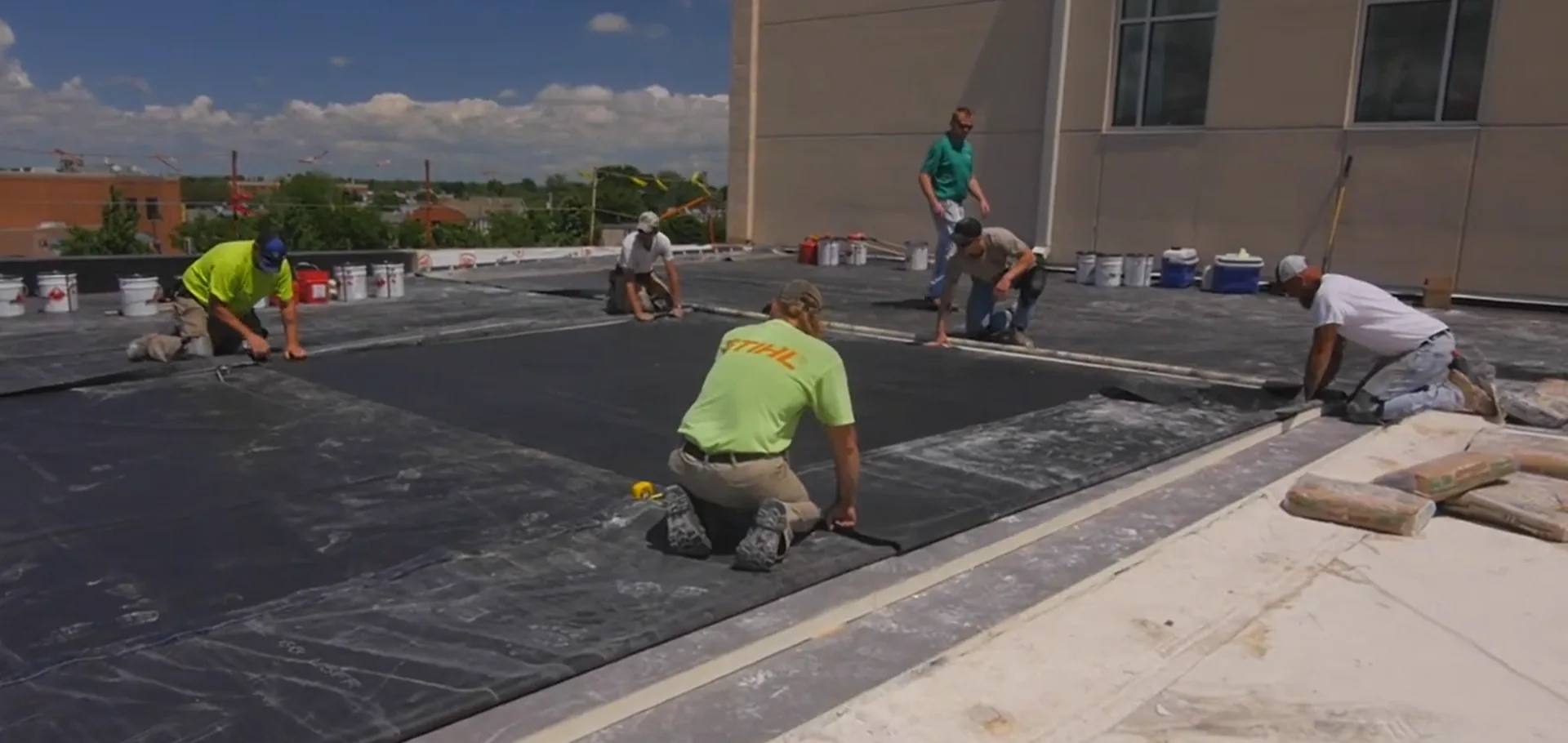
A low-slope roof is an assembly of connected components, not simply the visible membrane. Deck condition, insulation, attachment, flashings and drainage influence the proposed work. Sensenig offers single-ply and built-up approaches, including EPDM, TPO and PVC discussions. Material selection should reflect exposure, building use and maintenance requirements. Grease or process exhaust reaching the roof is relevant information, particularly when evaluating PVC for restaurants or food-processing applications.
Compare replacement proposals on the same scope. Identify which existing layers remain, how unsuitable materials are handled and what drainage or equipment details change. A reflective surface may reduce solar heat absorption, but annual energy results depend on climate, insulation and heating and cooling needs. Do not let a membrane name or warranty term replace the assembly review. The written proposal should explain what is being installed and the responsibilities needed to maintain it after completion.
A visible roof can define the character of a school, church, office or other commercial property. Sensenig’s steep-slope options include shingles, slate, tile, shakes and metal. Compare appearance with structural suitability, roof geometry and detailing. Changing to a heavier covering may require review of the existing support. Valleys, chimneys, dormers and walls can influence the work as much as the open roof surface, so a replacement scope should address more than the covering itself.
Metal roofing adds system-specific considerations around slope, thermal movement, panel layout and penetrations. Discuss drainage and snow-shedding exposure around entrances and loading areas. For any steep-roof project, staging and overhead work can affect the occupied property. Share public events, sensitive dates and routes that need to remain usable. Selecting a material and planning its installation should happen together rather than leaving access restrictions to be discovered after the purchase decision.
A coating may be worth considering when the existing roof is a suitable foundation for restoration. It is not a substitute for investigating moisture, damaged materials or drainage concerns. Compare targeted repair, restoration and replacement based on what each option solves and what remains in place. A broader surface treatment can be appropriate for one roof while another needs work beneath the surface that a coating cannot provide.
Ask how the proposed system addresses cleaning, compatibility, repairs, seams and penetrations. Preparation is a substantial part of the scope, not a small detail to overlook while comparing product names. Clarify warranty terms and future care. If equipment changes or a larger building renovation are planned, include them in the conversation so roof work does not have to be undone later. A useful recommendation connects current condition, project goals and the intended investment horizon.
The roof remains a workplace after the roofing crew leaves. Maintenance staff and visiting trades need access to equipment, drains and service locations. Map those routes along with edges, hatches, skylights and other openings. Railings, warning lines and anchor points have different applications and limitations. Coordinate the appropriate protection with the parties responsible for the work and applicable safety requirements rather than assuming a single accessory resolves every exposure.
Occupied-building planning also belongs in the roofing proposal. Identify air intakes, loading areas, entrances and sensitive operations. Agree on work sequencing, temporary restrictions and the person authorized to resolve site questions. At closeout, retain system information, warranty documents and service records. Future equipment changes should be coordinated with the roof details and access plan. This connects the initial project with the ongoing care of the building instead of treating completion as the end of every roofing responsibility. Before authorization, ask the facilities contact to walk through the proposed sequence with the people who manage deliveries, public access and equipment. A written plan can be technically complete yet still miss an operational restriction that only the on-site team knows. Resolving those questions early makes the next conversation more useful.
LET’S TALK THROUGH YOUR PROJECT
You do not need to diagnose the problem or choose a system before getting in touch. These details help us understand what matters to you.
No. Begin with the building, existing roof and the decision you need to make. Condition, exposure, drainage and operating needs help frame the system discussion. A material preference is useful context, but it does not replace reviewing the property.
No. An isolated detail may be repairable when the surrounding roof remains serviceable. Repeated leaks or widespread deterioration may justify broader investigation. Ask what condition findings support the recommended scope rather than choosing solely by the presence of a leak.
Discuss occupancy and sensitive operations during planning. Access, staging, air intakes and temporary protection influence the proposed sequence. Do not assume every activity can continue unchanged. A project-specific plan should explain the restrictions and coordination needed.
Maintenance addresses ongoing care and defined concerns. Restoration usually involves broader work on a suitable existing roof, often including a compatible coating system. Neither automatically resolves underlying deterioration. Condition and preparation determine the appropriate approach.
PVC is worth discussing where grease exposure is relevant. Identify the actual exhaust and conditions so compatibility can be reviewed. TPO and PVC are different materials, and a white appearance alone does not establish that either is suitable for every application.
TotalSENS provides inspection records, condition ratings and budget-planning tools. Discuss the properties and roof areas involved. Forecasts support planning, while authorized construction work still needs a defined scope and current proposal.
Richard L. Sensenig Co. is based at 183 S. Market Street, Ephrata, PA 17522. The roofing service area includes eight Central Pennsylvania counties. Share the exact property address to confirm project fit and scheduling rather than treating coverage as an immediate-response promise.
Compare retained and removed materials, insulation, drainage, flashings, equipment interfaces, access and warranty obligations. Clarify exclusions and concealed-condition procedures. The price should be understood alongside the complete scope and the responsibilities of everyone involved.
Looking for guidance closer to home? Find your community.
LET’S TALK ABOUT YOUR BUILDING
Tell us about your building, what you’re seeing, and your timing. We’ll help you identify a practical next step.
Start by sharing your location, project needs, and timing. The next conversation is about project fit and what to do next.
(717) 733-0364