
UNDERSTAND YOUR OPTIONS. PLAN YOUR NEXT STEP.
Start with who needs to use the roof
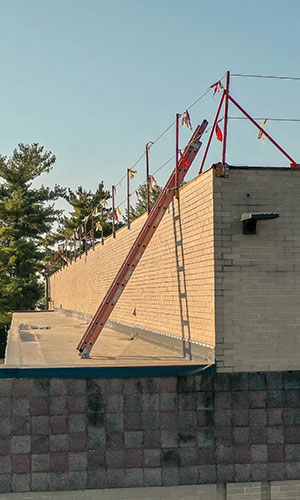
A roof safety discussion should begin with the people who use the roof and the work they perform. HVAC technicians, roofing crews, building staff and other contractors may take different routes and carry different equipment. Mark the access point, destination and work position for each regular activity. The shortest route is not automatically the appropriate route, particularly where skylights, edges or changes in elevation create additional exposure.
More to consider
Separate ongoing maintenance access from a temporary construction arrangement. OSHA requirements can differ with the work activity and applicable standards. A layout selected for one task should not be assumed suitable for every future visitor. Include the employer responsible for the work and appropriate safety or design professionals in the review. The objective is a coordinated system and work plan, not the purchase of isolated hardware without an agreed use.
Match the protection to the actual task
Railings, warning lines and anchors serve different functions. Their suitability depends on where people work, how they move and which requirements apply. Sensenig can discuss project-specific safety plans and these system options. Ask how the proposed protection interfaces with the roof assembly and building structure. Any attachment or penetration needs appropriate coordination so the safety work and roofing work do not become disconnected scopes.
More to consider
Personal fall-protection equipment requires more than a visible attachment point. The responsible parties need to address compatibility, intended use, inspection, training and rescue arrangements. A warning line likewise has specific limits and is not a universal substitute for protection near every edge or opening. Request documentation that makes the intended application clear. Keep that information available to the people managing roof access rather than treating it as paperwork that disappears after installation.
Connect the equipment with a safe access plan
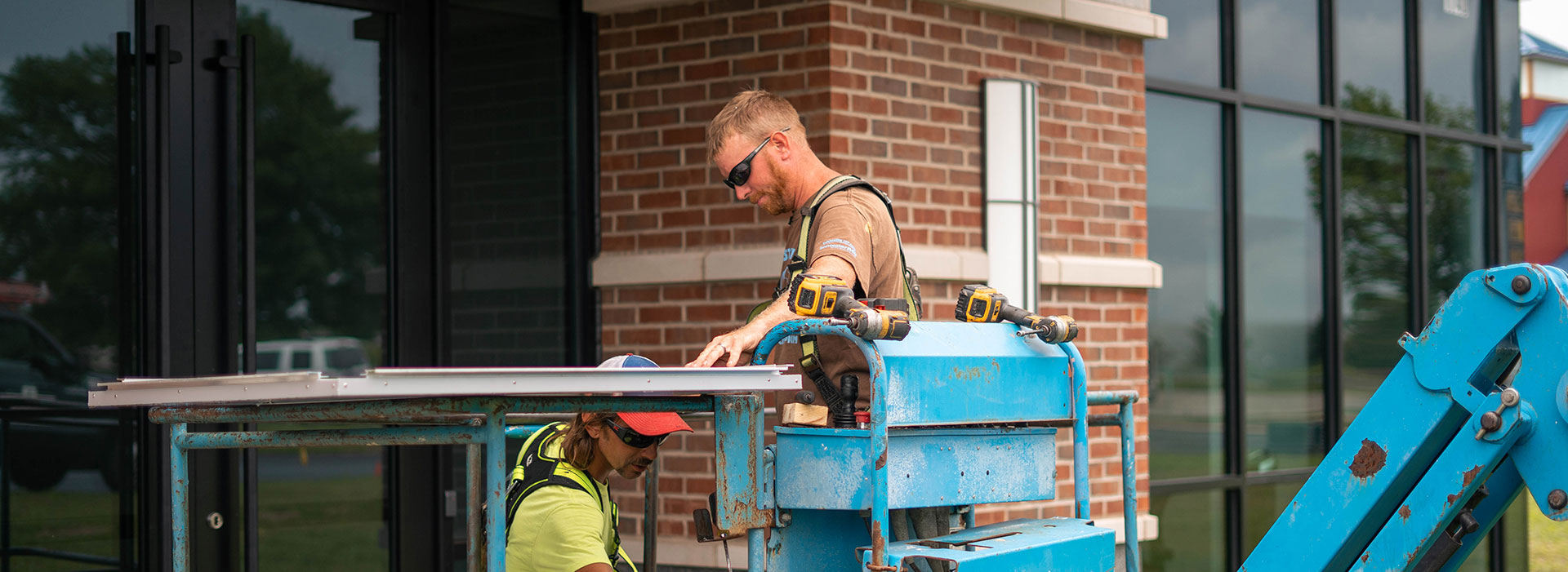
Roof edges are only part of the assessment. Skylights and other openings can present fall-through hazards, and an existing cover should not be assumed to support a person. Roof hatches also need to be considered as part of the access sequence. Review the transition onto the roof, the space available to handle tools and the route to the equipment. A plan that protects the destination but ignores the journey leaves important questions unanswered.
More to consider
Maintenance activities can change the position in which someone must work. Opening an equipment panel, moving a filter or servicing a unit may bring a person closer to an exposure than a simple roof plan suggests. Share the actual equipment servicing requirements, not just the equipment outline. Include visiting trades in the conversation so the plan reflects practical use. The building owner’s access procedure should identify how those visitors receive the information relevant to their work.
Keep responsibilities clear after installation
Define who receives the system information, who manages access and who coordinates required inspections. Keep product details and installation records connected to the roof plan. If a component is damaged or its condition is uncertain, follow the applicable procedures rather than assuming continued use is acceptable. The website cannot determine whether a particular installation complies with all requirements; that determination depends on the site, system and work being performed.
More to consider
Revisit the arrangement when new rooftop equipment, solar installations or changes in access alter the routes people take. A previously suitable plan may not address a new service location. Coordinate this review before the new equipment is installed, while layout changes are easier to discuss. When roofing replacement is planned, include safety components in the scope review so removal, temporary arrangements and reinstallation responsibilities are explicit rather than left to different contractors to resolve on site.
Roof safety planning questions by feature
LET’S TALK THROUGH YOUR PROJECT
Start with what you know about your roof
You do not need to diagnose the problem or choose a system before getting in touch. These details help us understand what matters to you.
- Mark roof access points, edges, skylights and other openings.
- List routine tasks, visiting contractors and service frequencies.
- Provide existing protection-system documentation and roof warranty information.
- Identify the employer and safety professionals responsible for the work.
A few questions before you get started
Can a warning line make our whole roof safe?
No single measure covers every roof or task. Warning lines and designated areas have specific limitations. The work activity and applicable requirements need a site-specific review before deciding what protection is appropriate.
Do skylights need to be included in the assessment?
Yes. Skylights and other openings can present fall-through hazards as well as trip hazards. Do not assume an existing skylight is designed to support a person.
Should HVAC maintenance be part of this discussion?
Yes. Share equipment locations, service frequency and the access routes used by your team and outside contractors. Routine maintenance is often what determines where ongoing protection is needed.
Does installing an anchor complete our safety program?
No. Selection, compatible equipment, inspection, training and rescue arrangements still need to be addressed by the responsible parties. Confirm how the anchor is intended to be used and what documentation accompanies it.
Who confirms which requirements apply?
Coordinate with the employer responsible for the work and qualified safety or design professionals. Sensenig can discuss the project and available safety systems, but a website cannot determine compliance for an unreviewed site.
Should safety systems be reviewed during roof replacement?
Yes. Existing components may need removal, temporary coordination or reinstallation. Discuss attachments, roof detailing and responsibilities before the roofing scope is finalized. Do not assume a replacement contractor and equipment provider have included the same work.
Can equipment relocation change our protection needs?
Yes. Moving a unit can change access routes and service positions even if the roof edge stays the same. Review the actual tasks around the new location and involve the parties responsible for safe access before installation.
What documents should stay with the building?
Keep the roof layout, product and installation information, intended-use instructions and applicable inspection records. Confirm which documents the proposed system requires and who maintains them. Building records support coordination but do not replace employer training or task-specific planning. Make sure visiting contractors know whom to contact before accessing the roof and where the relevant system information is kept.
If your next step involves another service
Looking for guidance closer to home? Find your community.