
UNDERSTAND YOUR OPTIONS. PLAN YOUR NEXT STEP.
Start with the part you need, not just its outline
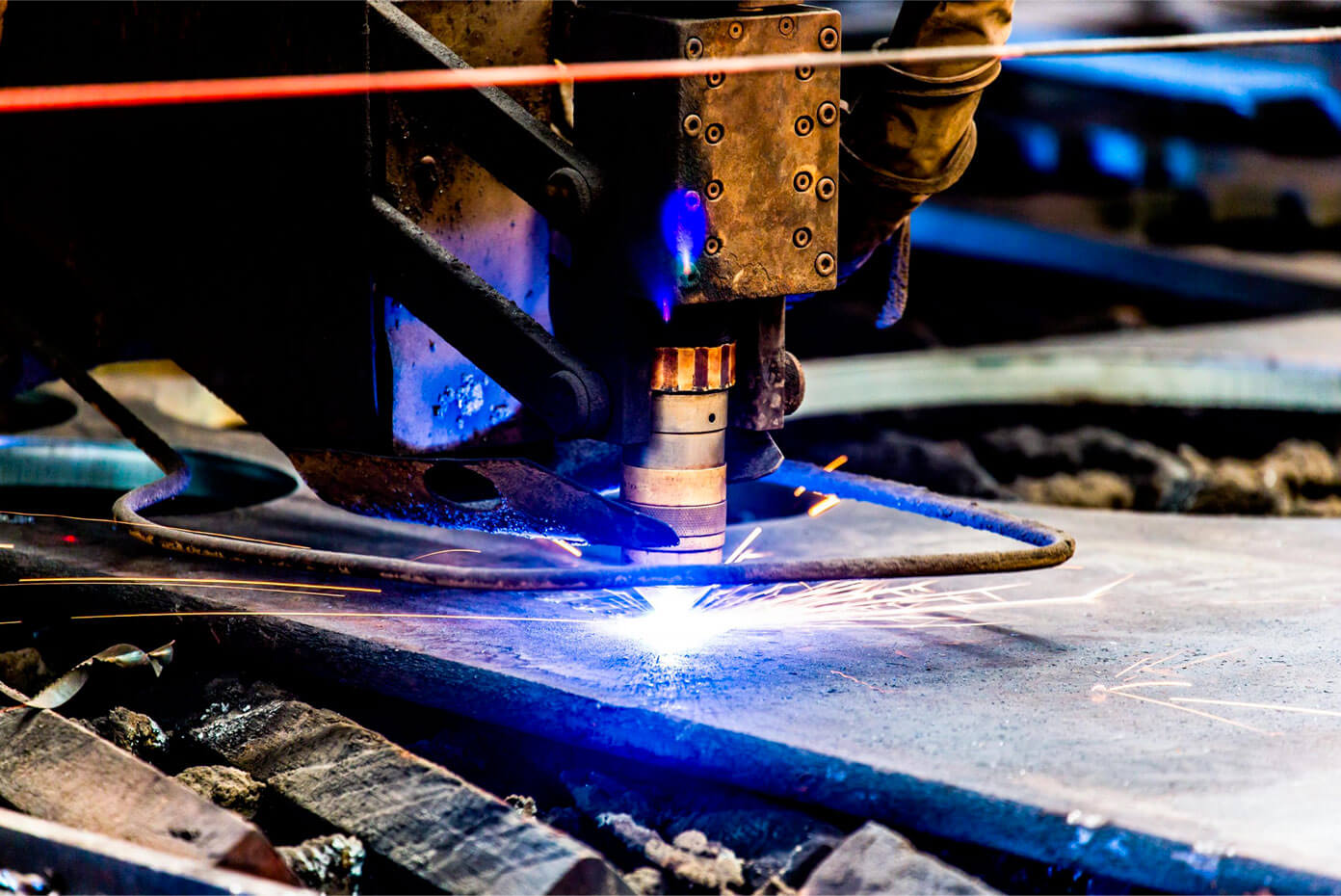
High-definition plasma cutting is a way to produce metal profiles from a defined cutting brief. Richard L. Sensenig Co. lists steel, stainless steel and aluminum cutting up to 1 1/4 inch thick. That published capability is a useful starting point, but material, geometry and finished requirements still need review for the specific part. A maximum thickness does not establish the suitability of every feature within a drawing.
More to consider
Explain what happens after cutting. A plate used as a welded bracket, a mating component and a visible finished part can have different acceptance requirements. The team needs to know which dimensions control function and which edges will receive further work. Choosing a process only by the material thickness can miss the details that determine whether the part fits. Bring the application alongside the drawing so the quote reflects the actual intended use.
Confirm the material and cutting requirements
Provide the controlling drawing revision and identify the required material grade, thickness and quantity. If both a CAD file and dimensioned drawing are supplied, make clear which information governs when a difference appears. File names alone can be ambiguous when several revisions exist. A release should identify the approved version so the shop does not have to infer whether a later email changes the geometry or simply repeats the request.
More to consider
Mark dimensions and features that are critical to fit or function. Overall size, hole location, slots and mating edges may have different requirements. State tolerances where the design requires them and discuss whether the proposed cutting process can achieve the finished result. Avoid applying an unnecessarily tight requirement to every feature without considering the function, but do not leave a genuinely critical interface to an assumed shop standard. Clarity helps the team evaluate the work accurately.
Think about what happens after cutting
Plasma-cut features can require secondary work depending on the part’s application. Edge condition, hole geometry and finished tolerances should be reviewed rather than assumed. Ask whether deburring, drilling, machining, forming or welding is included when those operations are needed. A cut blank is not automatically the same deliverable as a finished component ready for assembly. Describing the final use helps separate cutting requirements from work that follows.
More to consider
For welded or formed parts, coordinate the sequence with the complete fabrication plan. The cutting geometry may need to support later operations, and the finished assembly requirements should be visible before work starts. If another shop performs the next step, identify what it expects to receive. This is particularly helpful when purchasing separates cutting from fabrication: the lowest cutting price is not necessarily the lowest total cost if an unplanned secondary operation is required.
Make the drawing and delivery requirements clear
Plasma, laser, waterjet and machining are different processes with different applications. The appropriate comparison depends on material, thickness, geometry, tolerances and the work needed afterward. Discuss the result you require rather than assuming a process is universally best. Sensenig can review whether its plasma-cutting capability fits the request; a part requiring a different process should be identified before production rather than adjusted through an unsupported tolerance promise.
More to consider
For repeat work, retain the approved drawing, part identification and material requirements. State whether the next quantity is unchanged or includes revisions. If parts belong to several assemblies, explain identification and delivery needs so the handoff is clear. Lead time depends on the reviewed job and current scheduling, not simply the speed at which a cutting machine moves. A complete inquiry gives the team the information needed to discuss a practical production scope and timing.
A useful plasma-cutting inquiry defines the finished result
LET’S TALK THROUGH YOUR PROJECT
Bring the application. We can work through the details together.
Share the information you have, and point out what still needs to be decided. A clear brief helps connect the quotation to the finished work you need.
- Send the current drawing revision and identify the controlling file.
- Specify material grade, thickness and quantity.
- Mark critical holes, mating edges and finished tolerances.
- List secondary operations, part identification and delivery requirements.
A few questions before you get started
What materials can you plasma cut?
The published service includes steel, stainless steel and aluminum. Supply the specific grade and thickness so the team can review the job rather than relying on a broad material description.
What tolerance can you hold?
Confirm tolerance for the actual material, thickness and geometry. A general machine capability is not a promise for every feature. Mark critical dimensions and explain where the part must mate with another component.
Are bolt holes ready to use after cutting?
That depends on hole size, material thickness and the required fit. Identify holes that may need drilling, reaming or another finishing operation instead of assuming all cut holes meet the final requirement.
Is plasma always preferable to laser or waterjet?
No. Thickness, geometry, edge requirements and heat sensitivity affect the choice. Discuss the finished-part requirement so process suitability can be evaluated before cutting is specified.
Can the cut parts be welded or formed afterward?
Sensenig’s broader fabrication capabilities include forming and welding. Include the complete drawing and intended operations in the inquiry so cutting and follow-on work can be scoped together.
Does the published thickness limit guarantee every part can be cut?
No. Sensenig lists cutting up to 1 1/4 inch for steel, stainless steel and aluminum, but geometry and finished requirements still need review. Confirm the specific material, features and acceptance criteria before relying on that limit for a production release.
Should I send both CAD and a dimensioned drawing?
Provide the available files and identify the controlling revision and requirements. Confirm acceptable formats with the team. If files disagree, resolve the difference before production rather than assuming the shop will know which version reflects the intended part.
Can a cut hole always be used without secondary work?
Not necessarily. The required fit and geometry determine whether cutting alone is appropriate. Identify critical holes and discuss whether drilling or another finishing operation is needed. The quotation should distinguish the cut profile from any additional work required for the finished component.