
YOUR ROOF. YOUR NEXT STEP.
Get to the source of a recurring building leak
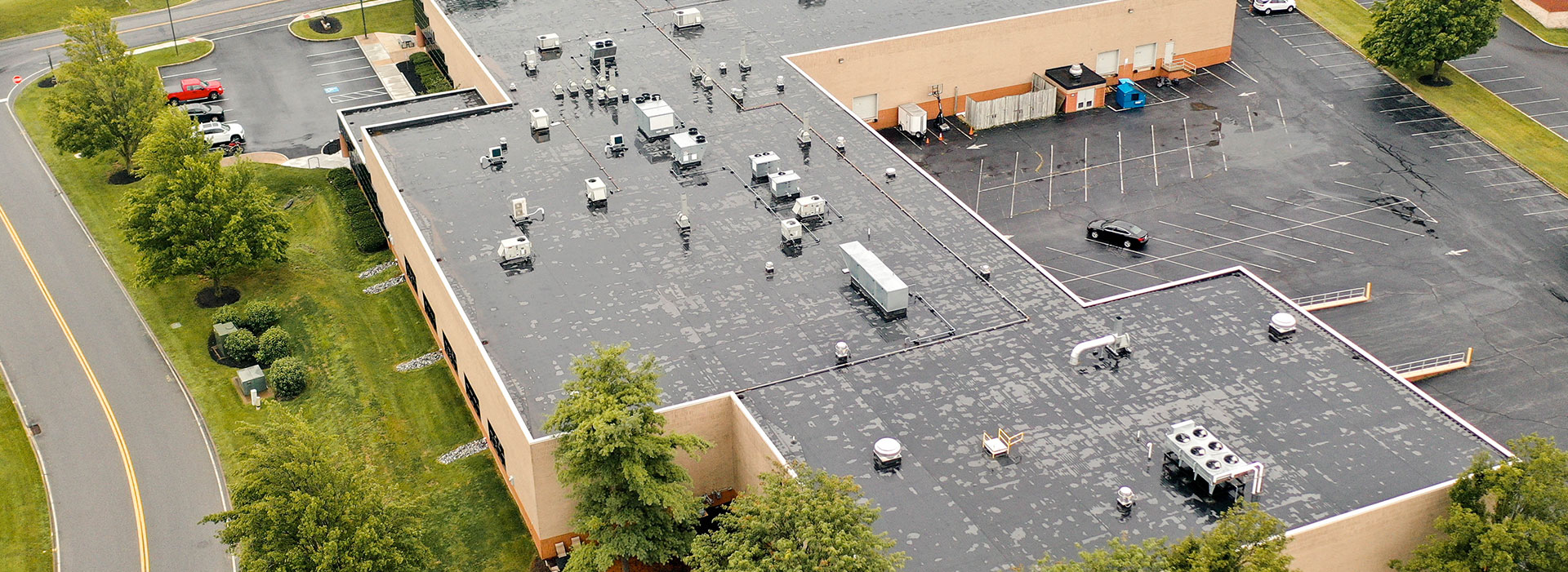
On an older Reading commercial building, a leak may involve more than the roof covering. Adjoining walls, different roof levels and years of alterations can all influence where water gets in and how it moves.
Follow the leak beyond the spot on the ceiling
A stain can be the end of water’s path rather than the beginning. Looking at wall flashings, penetrations and connections between roof sections helps narrow down the source before a repair is recommended.
Consider what is happening around the roof, too
With neighboring buildings and shared access nearby, the logistics deserve attention too. Confirming delivery routes, work areas and entrance protection early helps turn the roofing recommendation into a practical project.
A sound membrane cannot make up for a failing wall connection
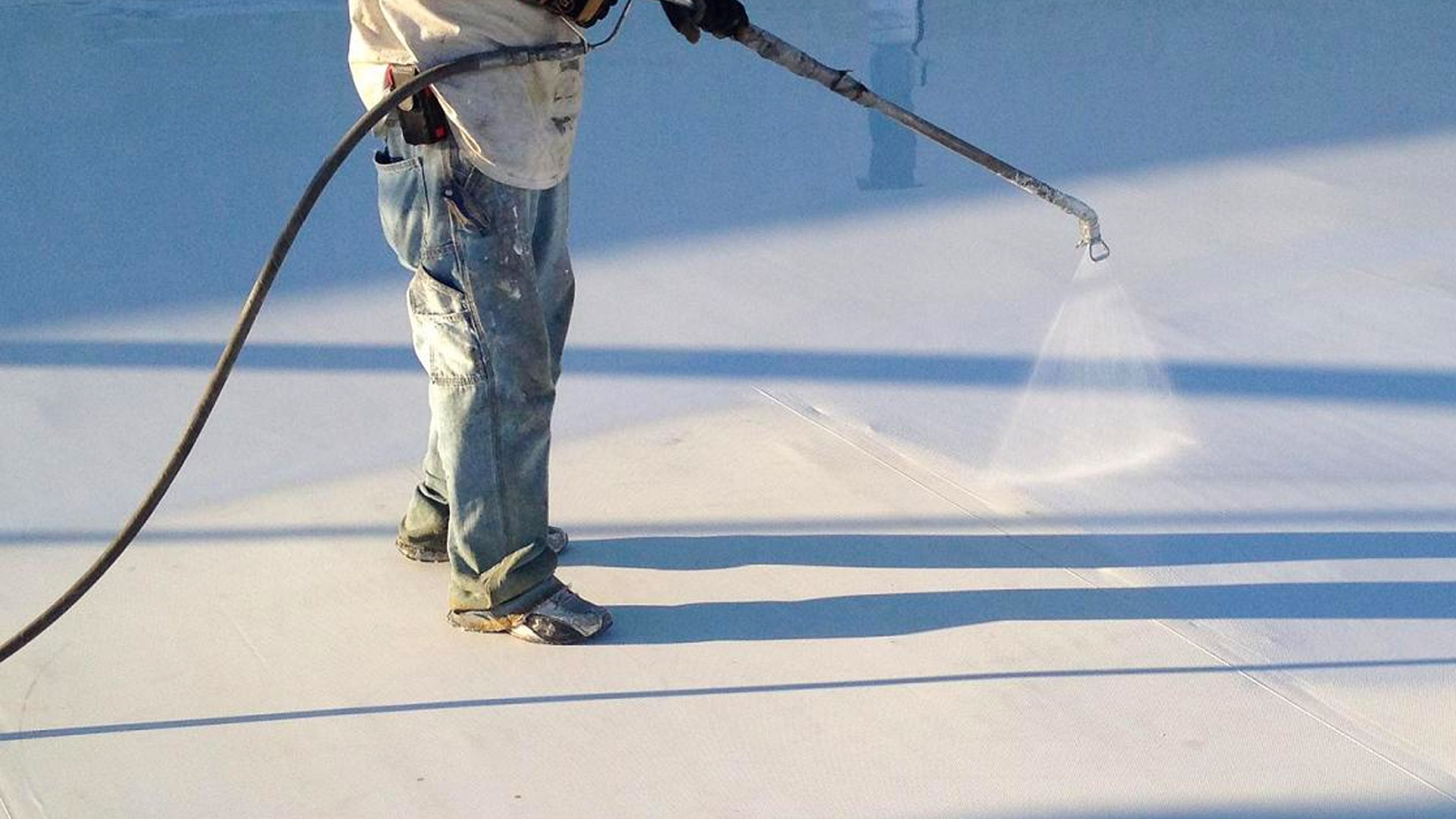
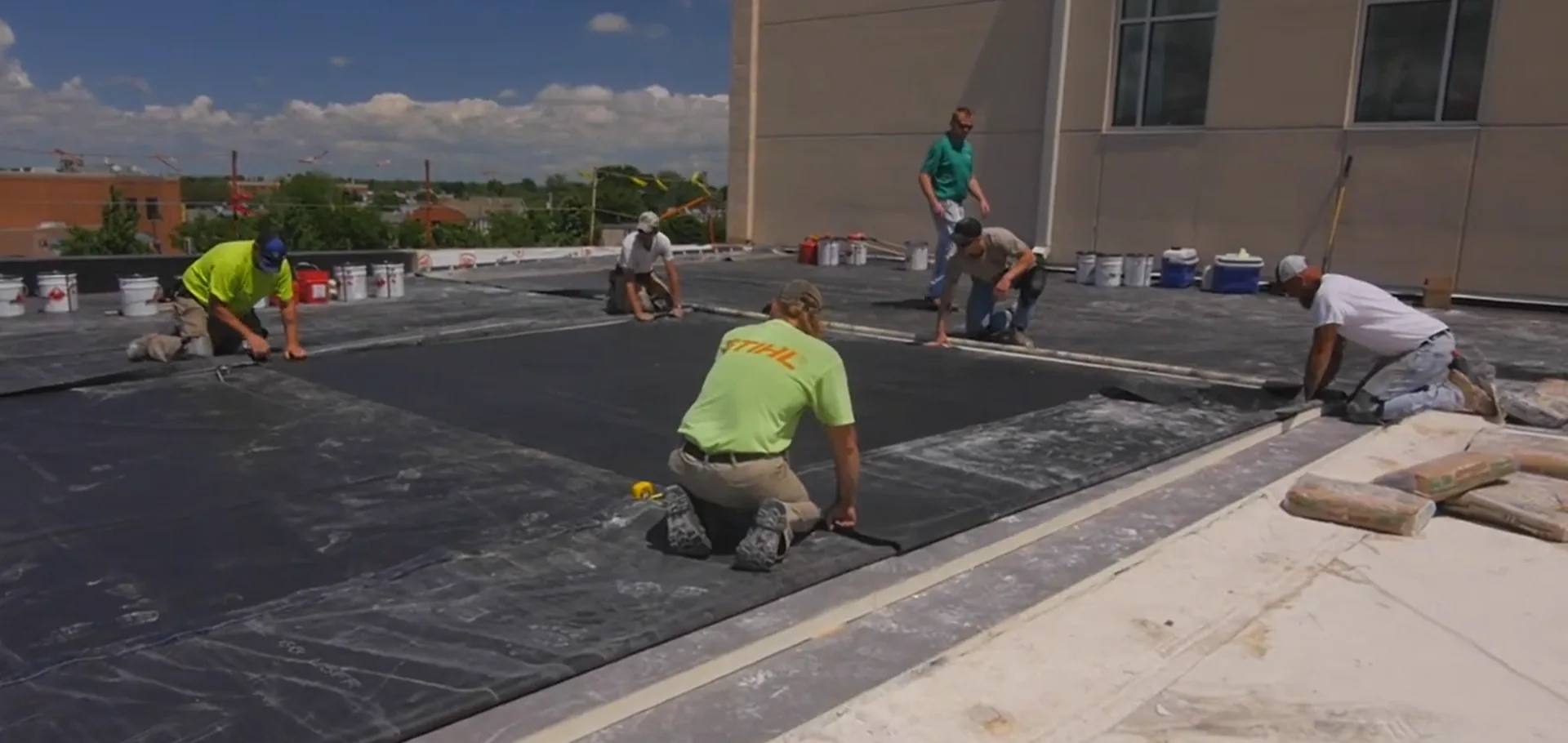
Before approving replacement on an older Reading building, ask how the roof-to-wall junctions were assessed. Some leaks need flashing or adjoining masonry attention rather than wholesale replacement. If more than one trade is involved, the proposal should make the handoff clear.
LET’S MAKE THE NEXT STEP SIMPLE
Start with what you know. We can help with the rest.
Tell us what you have noticed, how it is affecting your business and whether you have a deadline in mind. A few details can help us prepare, but you do not need a complete set of records to get in touch.
- Leak locations on each occupied floor
- Known shared walls, access agreements and earlier masonry repairs
If you already know what you need
A FEW THINGS YOU MAY BE WONDERING
Before you get started
What if the leak involves a neighboring wall?
The assessment can help identify the suspected path. Access, ownership and responsibility for adjoining work need to be confirmed with the appropriate parties before repairs are authorized.
Can we stay open while the roof is being worked on?
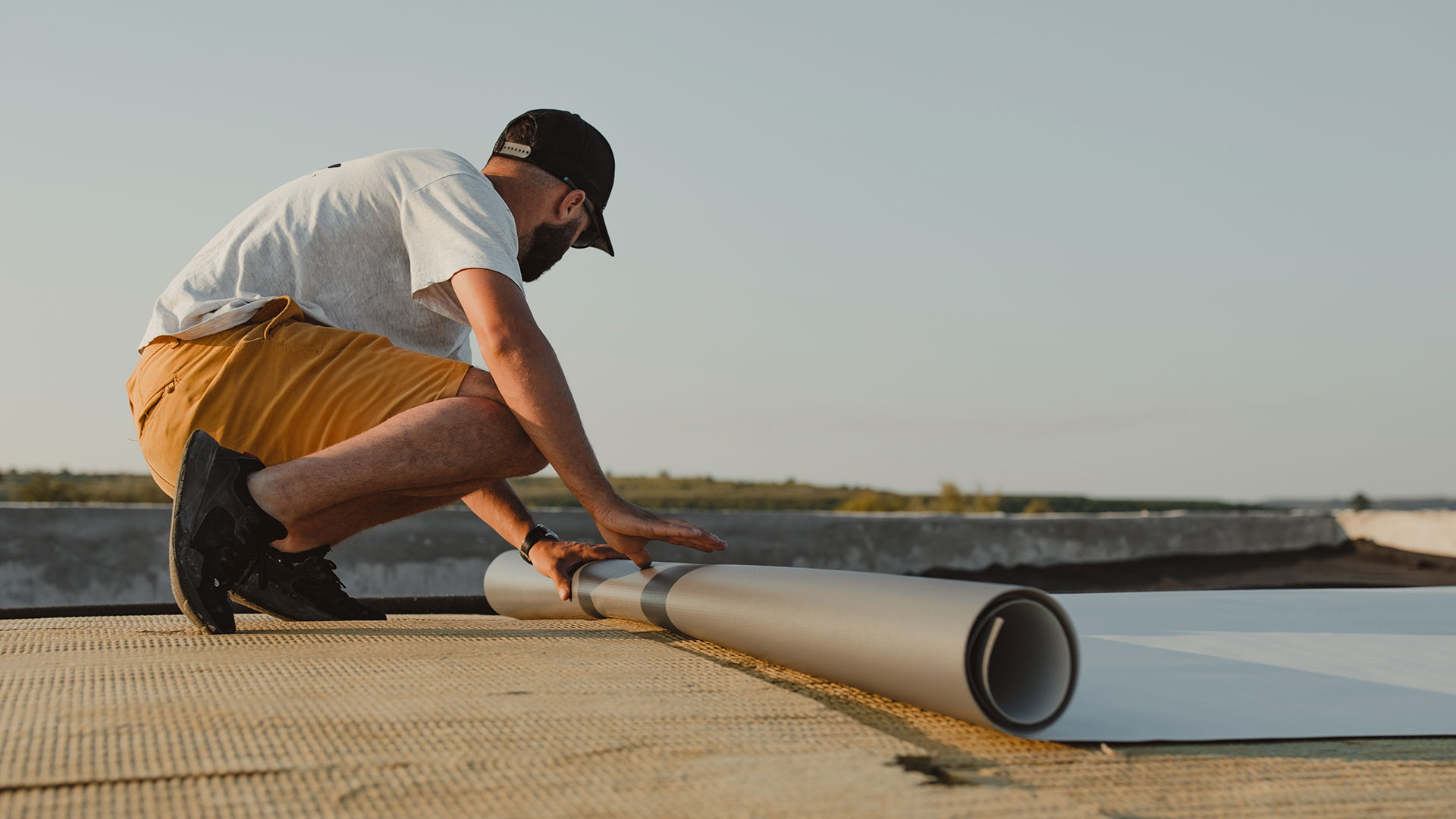
Often the work can be planned around an occupied building, but the details depend on access, the roof system and the work involved. Tell us which entrances, hours and operations need protection so we can discuss the sequence and any restrictions before the job starts.
What should we do if water is coming in now?
Keep people away from wet electrical equipment and damaged ceilings. If it is safe, protect the affected contents and note where and when the leak appears. Do not climb onto a wet roof. Call (717) 733-0364 to discuss the situation and next steps.