
YOUR ROOF. YOUR NEXT STEP.
Make sense of a roof built in several chapters
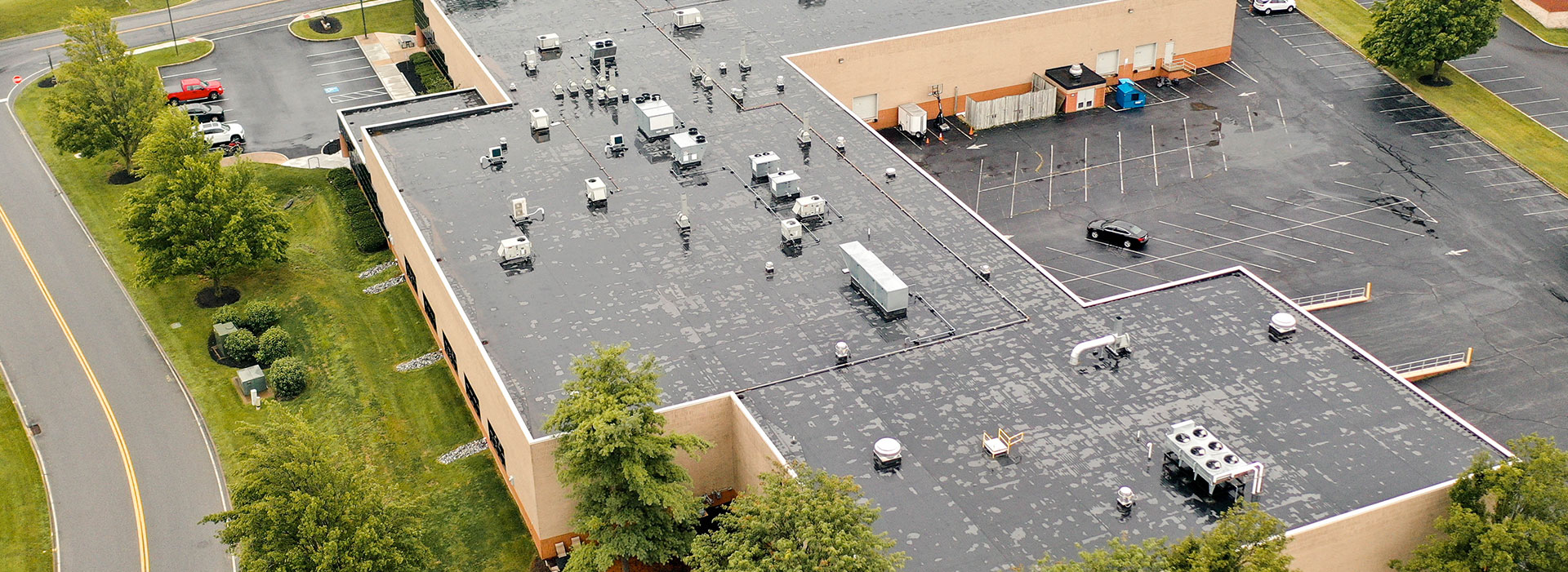
Whether you look after an established Boyertown storefront or a larger commercial building nearby, the most useful roofing advice connects the condition of the roof with the way you use the building.
Pay attention to what has been added over the years
Extensions, new equipment and earlier repairs can leave a roof with several different ages and materials. Looking at how those sections meet helps explain recurring trouble and whether they need to be addressed together.
Consider what is happening around the roof, too
For a town-center business, space for materials and customer access may be limited. For a larger site, deliveries and equipment routes may take priority. Discussing those needs helps make the scope realistic from the start.
Different roof sections may need different answers
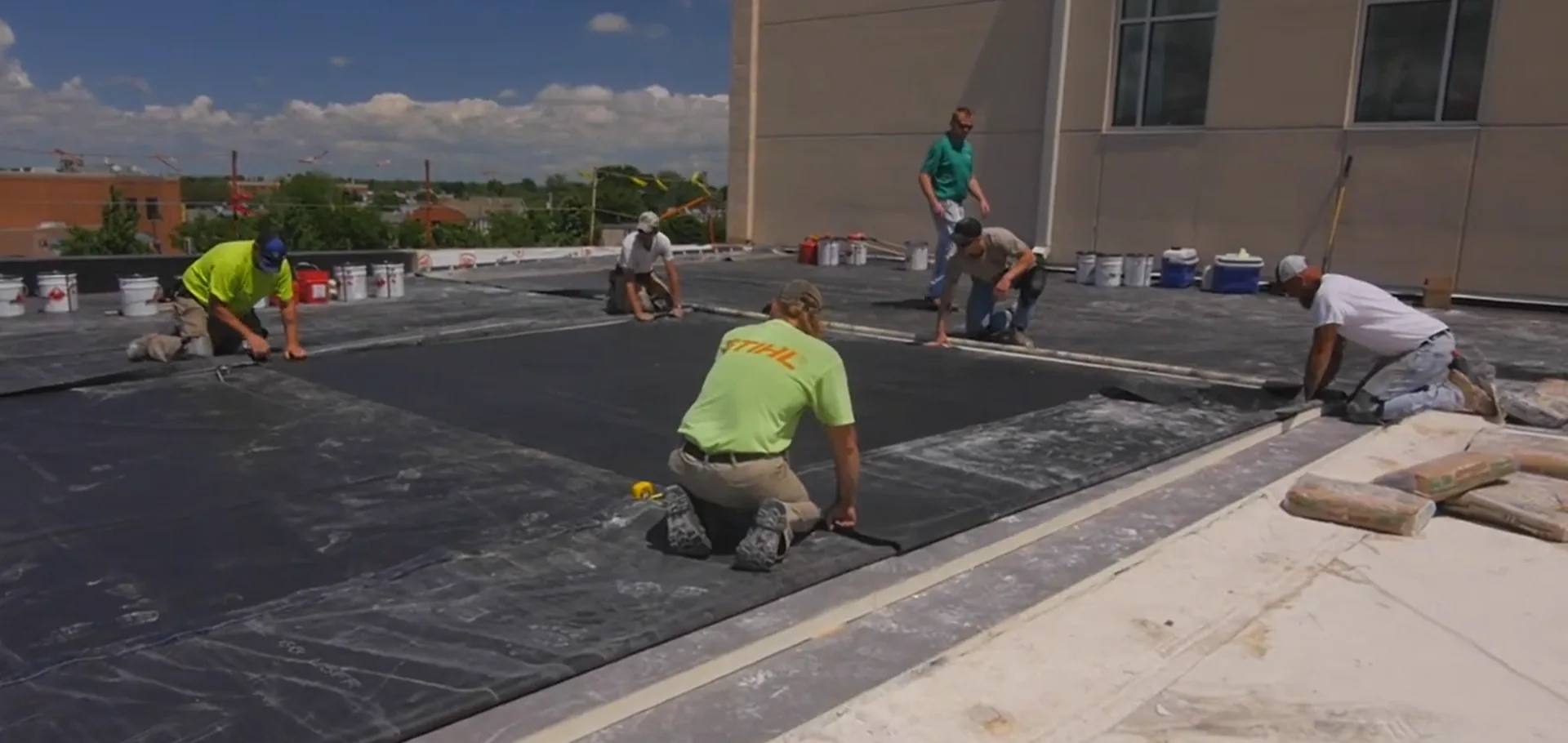
For a Boyertown building with additions, do not let the age of the oldest section decide the fate of every roof. Compare each section’s condition, then check how drainage and transitions connect them. A phased plan only works if those connections remain dependable.
LET’S MAKE THE NEXT STEP SIMPLE
Start with what you know. We can help with the rest.
Tell us what you have noticed, how it is affecting your business and whether you have a deadline in mind. A few details can help us prepare, but you do not need a complete set of records to get in touch.
- A simple sketch showing the additions
- Approximate installation or repair dates for each section
If you already know what you need
A FEW THINGS YOU MAY BE WONDERING
Before you get started
Can one roof section be replaced on its own?
Sometimes. The remaining roof must be serviceable, and the new work needs suitable transitions, heights and drainage. Ask how those connections will be handled before choosing a phased approach.
Can we stay open while the roof is being worked on?
Often the work can be planned around an occupied building, but the details depend on access, the roof system and the work involved. Tell us which entrances, hours and operations need protection so we can discuss the sequence and any restrictions before the job starts.
What should we do if water is coming in now?
Keep people away from wet electrical equipment and damaged ceilings. If it is safe, protect the affected contents and note where and when the leak appears. Do not climb onto a wet roof. Call (717) 733-0364 to discuss the situation and next steps.