
YOUR ROOF. YOUR NEXT STEP.
A roofing plan that starts with your production needs
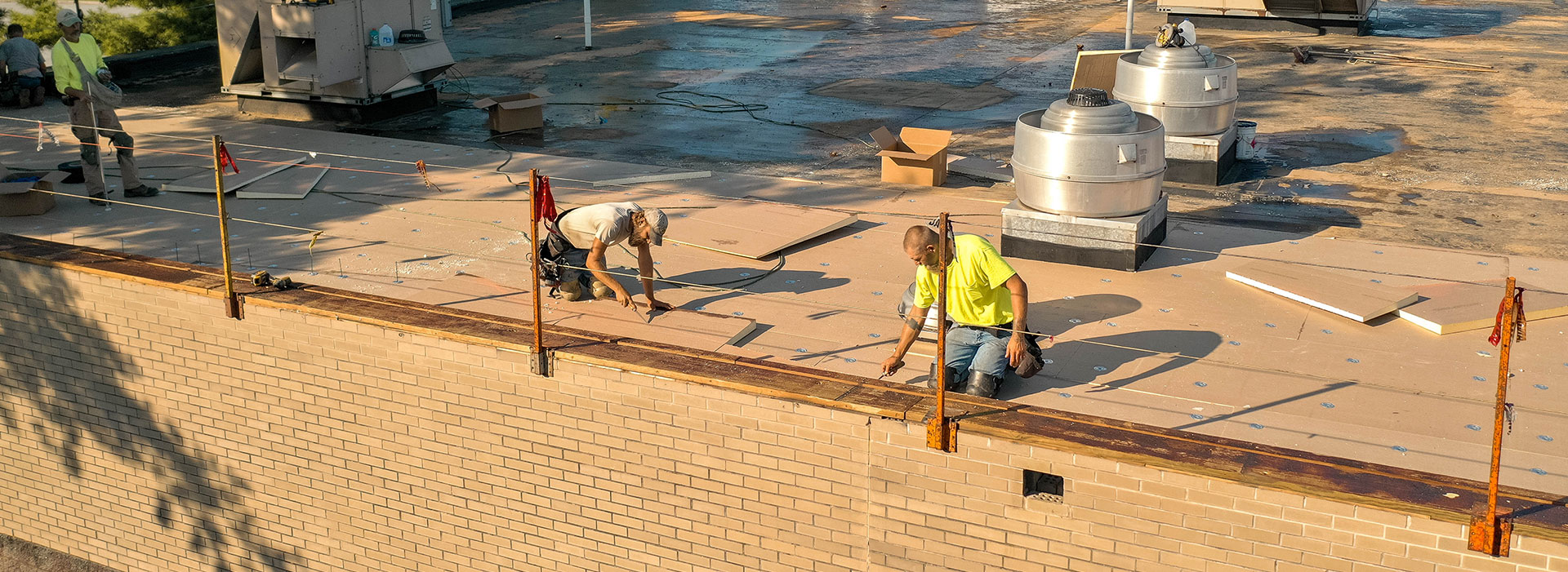
Roof work should be planned with an understanding of what happens underneath it. For Hanover businesses, especially production and food-related operations, that means discussing operating hours, sensitive spaces and equipment before choosing a work sequence.
Put your operating schedule on the table early
Let us know about production runs, sanitation routines and deliveries that are difficult to change. These details help identify where protection and coordination will matter most during the project.
Consider what is happening around the roof, too
Rooftop exhaust and regular equipment servicing also affect the roof. Reviewing those conditions helps determine suitable materials and details, rather than treating every commercial roof as the same surface.
Evaluate the roof around the exhaust, too
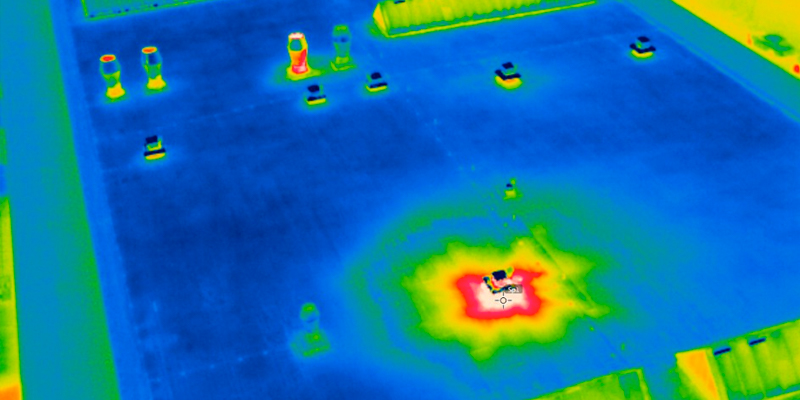
At a Hanover production or food-related facility, exposure around exhaust outlets can differ from the rest of the roof. Ask whether deterioration is localized and whether the proposed materials suit that exposure. Replacing a surface without addressing the source of contamination may leave the same problem in place.
LET’S MAKE THE NEXT STEP SIMPLE
Start with what you know. We can help with the rest.
Tell us what you have noticed, how it is affecting your business and whether you have a deadline in mind. A few details can help us prepare, but you do not need a complete set of records to get in touch.
- Exhaust locations and the processes they serve
- Production, sanitation and planned shutdown windows
If you already know what you need
A FEW THINGS YOU MAY BE WONDERING
Before you get started
What should we share about food production or sanitation?
Explain cleaning routines, sensitive zones and shutdown windows. The scope should identify protection and coordination needs specific to your operation, rather than assume ordinary office conditions.
Can we stay open while the roof is being worked on?
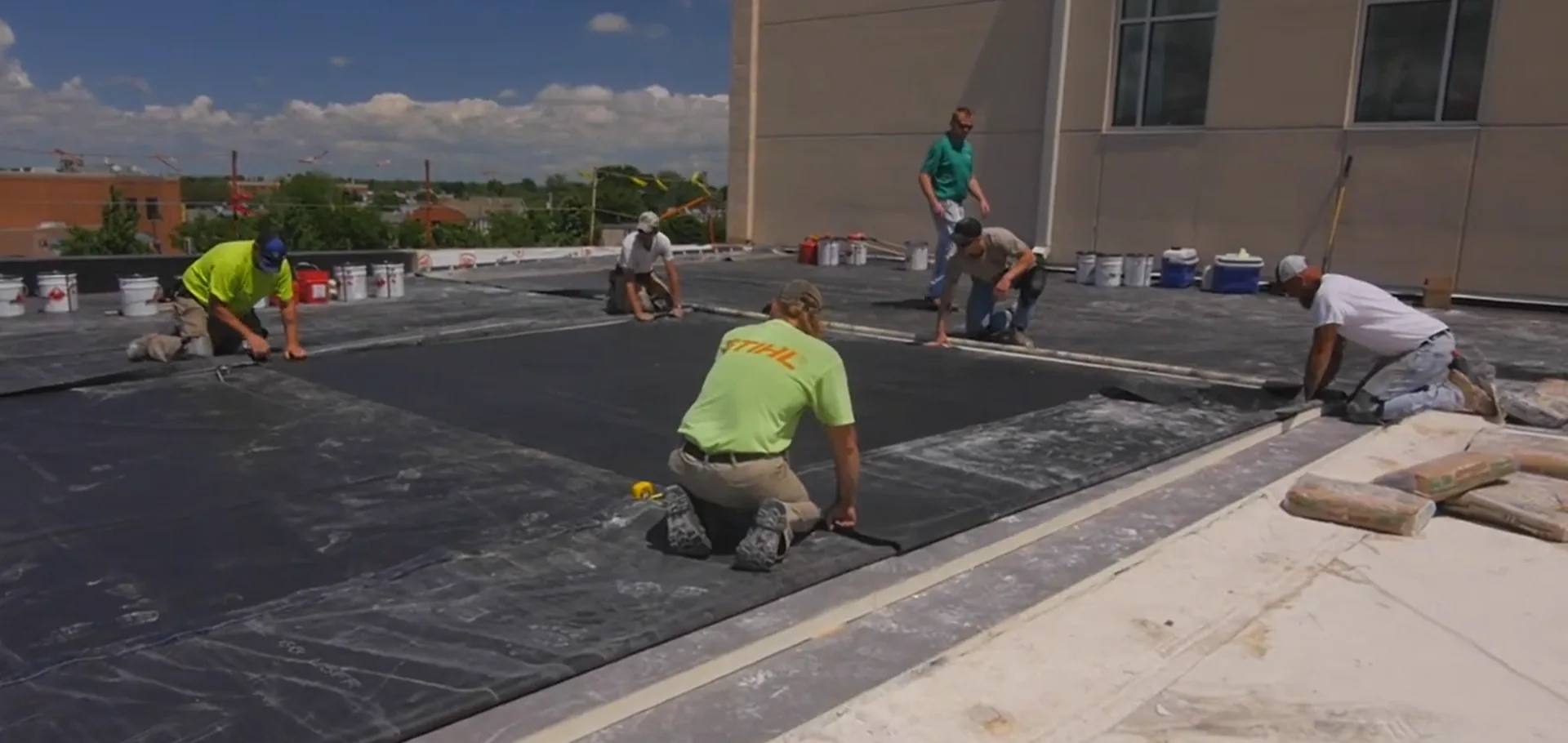
Often the work can be planned around an occupied building, but the details depend on access, the roof system and the work involved. Tell us which entrances, hours and operations need protection so we can discuss the sequence and any restrictions before the job starts.
What should we do if water is coming in now?
Keep people away from wet electrical equipment and damaged ceilings. If it is safe, protect the affected contents and note where and when the leak appears. Do not climb onto a wet roof. Call (717) 733-0364 to discuss the situation and next steps.